 Onroad
 Offroad
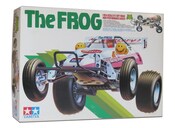 Kits
Kits
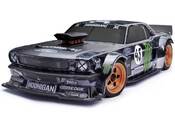 Electric
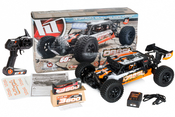 Ready To Race (RTR)
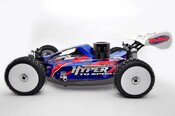 Nitro
Nitro
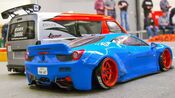 Drift
Drift
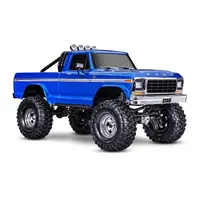 Rock Crawler
 Offroad
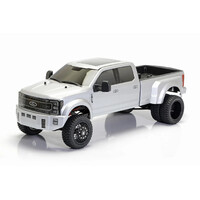 Pickup
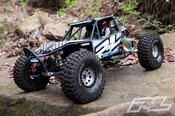 Buggy
Buggy
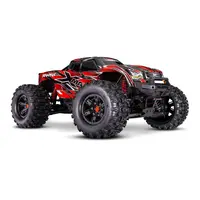 Monster
 Sailing
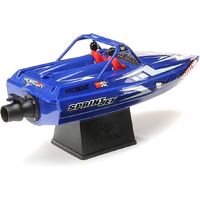 Jet
Jet
 RTR
RTR
 Electric
 High Speed
 Individual Cars
 Sets
Sets
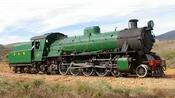 Locomotive & Carriages
 Spare Tracks
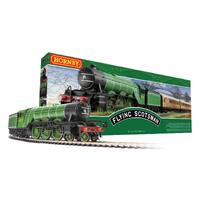 Sets
Sets
 Kits
Kits
On Sale

$0.00

 ACADEMY
 AIRFIX
 ALBION METALS
 APC
APC
 ARRMA
ARRMA
 ARTESANIA
 AXIAL
AXIAL
 BALSA
BALSA
 BBURAGO
 BLACKZON
 BLADE
BLADE
 BOB SMITH
 BOLLY
BOLLY
 CASTLE CREATIONS
 DELUXE MATERIALS
 DRAGON
 DUALSKY
 DUBRO
DUBRO
 DUMAS
DUMAS
 EASY MODEL
 ECX
ECX
 E-FLITE
 ESTES
ESTES
 EVERGREEN
 EXCEL
EXCEL
 FIRELANDS
 FLYSKY
 FORCEENGINES
 FTX
FTX
 FUNTEK
 FMS RC
 GALAXY
 GEMFAN
 GEN2 BATTERIES
 GENS ACE
 GFORCE
 GREAT PLANES
 GT POWER
 GUILLOWS
 HAIBOXING
 HASEGAWA
 HIMARK
 HITEC
HITEC
 HOBAO
HOBAO
 HOBBYTECH
 HOBBYWING
 HOBBYZONE
HOBBY-TAIWAN
HOBBYZONE
HOBBY-TAIWAN
 HORNBY
 HPI RACING
 HUDY
HUDY
 HUMBROL
 iM RC
iM RC
 INTELLECT
 ITALERI
 JCONCEPTS
 K&S
K&S
 KIMBROUGH
 KINETIC MODELS
 KYOSHO
 LINDBERG
 LOSI
LOSI
 LOUISE WORLD
 MAGIC MODEL
 MAVERICK
 MILLIPUT
 MUCH MORE RACING
 MULTIPLEX
 MYLAPS
MJX
MYLAPS
MJX
 NOVAROSSI
 NVISION
 NXE BATTERIES
 OS ENGINES
 PANDA HOBBY
 PARKZONE
 PECO
PECO
 PRO BOAT
 PROFILM
 PROLINE
 PROTOFORM
QUEST
PROTOFORM
QUEST
 RC 4WD
 REEDY
REEDY
 REVELL
 RIVER HOBBY VRX
 ROAPEX
 ROBINSON_RACING
 RW
RW
 SAVOX
SAVOX
 SCALEXTRIC
 SCHELLE
 SKYRC
SKYRC
 SOLARFILM
 SPAZSTIX PAINT
 SPEKTRUM
 TAMIYA
 TATTU
TATTU
 TEAM ASSOCIATED
 TEAM CORALLY
 TEAM MAGIC
 TEAM ORION
 TLR
TLR
 TORNADO RC
 TRAXXAS RC ACCESSORIES
 TRUMPETER
Toolkit Chargers
VISION
TRUMPETER
Toolkit Chargers
VISION
 VOLANTEX RC
WINGSLAND
VOLANTEX RC
WINGSLAND
 XRAY
XRAY
 ZAP
ZAP
 ZVEZDA
 Schumacher
Tomix
Schumacher
Tomix
$0.00
A: Airbrushing gives smoother, more even coverage and is close to essential for large flat surfaces like RC car body shells, where brush strokes are highly visible. For small detail work on scale models (figures, panel lines, weathering), a good brush often gives more control. Many modellers use both: brush for detail, airbrush and compressor for base coats and large areas.
A: Acrylics are water-based, dry faster, and clean up with water, better for beginners and for painting indoors without strong fumes. Enamels are oil-based, dry slower (which helps blending and reduces brush marks), and generally give a harder, more durable finish, but need mineral thinners for cleanup and have stronger odour. Check what your primer and topcoat are compatible with before mixing brands or types, incompatible layers can react and cause the paint to lift or wrinkle.
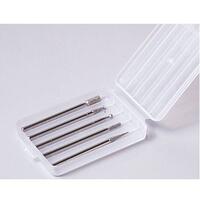
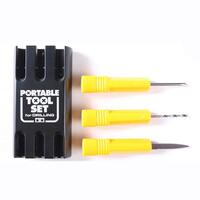
A: Pin vises and fine drill sets are for precision work power drills can't handle, drilling out mould marks, hinge points, or adding wiring holes in small-scale models without cracking the plastic. A standard power drill is too fast and imprecise for this scale of work.
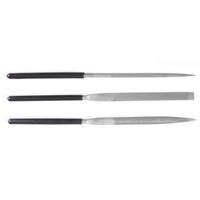
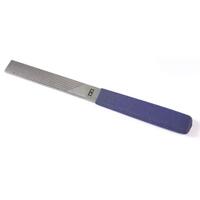
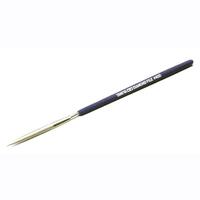
A: Yes, file coarseness matters. Fine, double-cut files work well on plastic and won't gouge it, but the same file will clog quickly on soft metals like brass. Diamond files are suited to photo-etched metal parts and resin, where standard files can be too aggressive and remove detail. See the full model tools range for file and finishing options.
A: A knife gives more control for close, detailed cuts near the part itself and is standard for removing flash or thin gates. Modelling scissors and cutters are faster for rougher initial cuts away from the part, especially on thicker sprue runners, but risk stress-cracking brittle plastic if used too close to the piece. Most kit builders use both at different stages.
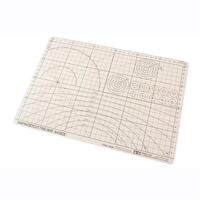
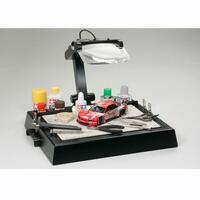
A: A self-healing cutting mat protects your knife blade edge (cutting on hard surfaces dulls blades fast) and protects the work surface underneath. It also usually has grid lines useful for measuring and aligning parts. Check prep & finishing tools for mats and related surface-prep gear.
$0.00
Brands
(1525)
Arrma
(1)
Artesania Latina
(89)
Bob Smith
(59)
Border Model
(20)
Deluxe Materials
(35)
Dubro
(2)
Excel
(1)
FUTABA
(1)
Great Planes
(1)
Hobbytech
(1)
Hornby
(2)
Hpi Racing
(3)
Hudy
(24)
Humbrol
(6)
Im Rc
(26)
Jconcepts
(3)
K&S
(301)
Much More Racing
(1)
Proline
(58)
PROTEK R/C
(45)
Revell
(4)
Schumacher
(4)
Spazstix Paint
(97)
Tamiya
(632)
Team Associated
(19)
Team Corally
(16)
Tlr
(3)
Traxxas
(2)
Trumpeter
(6)
TWORKS
(11)
Vision
(28)
VP Pro
(6)
Zap
(18)
Hobby Tools
(2254)
Air Brushes
(133)
Building Materials
(303)
Hobby Tools
(208)
Model Tools
(441)
Paints
(1004)
Prep & Finishing
(113)
Storage Systems, Boxes & Hauler Bags
(52)
Model Trains
(2)
Scenery
(2)
RC Cars
(240)
Kits
(4)
RC Racing
(236)
RC Electronics
(7)
Accessories
(5)
Chargers
(2)
RC Parts/ Spares
(7)
Drivetrain
(1)
Engine Parts
(2)
Hardware
(1)
Suspension
(3)
Scale Models
(33)
Wooden
(33)